

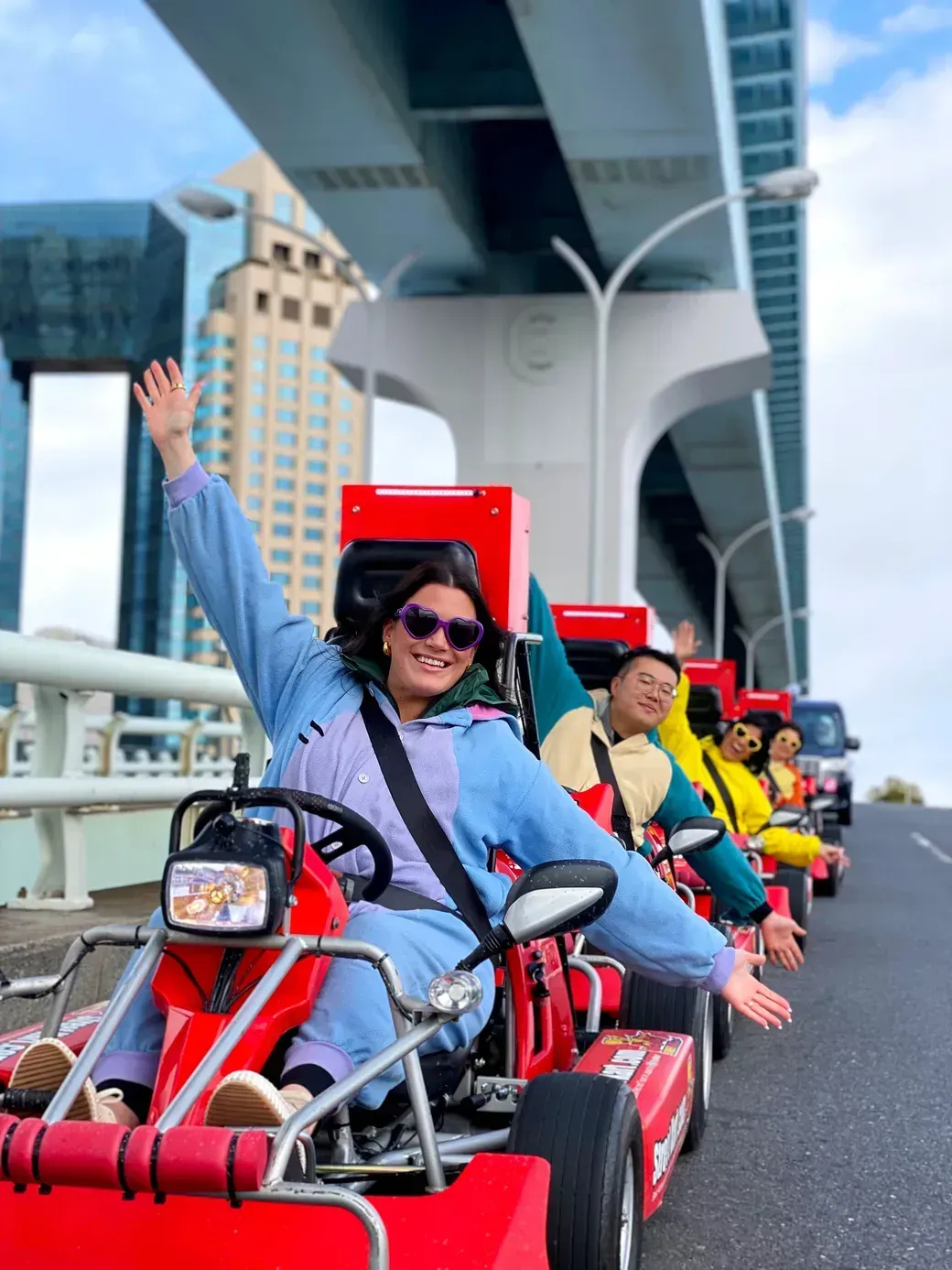
A Cultural Experience Guide to Tokyo’s Power Spots | A City Exploration Plan Combining Street Kart Adventures
Tokyo is a city where urban energy coexists with a culture of prayer passed down through centuries of history. While skyscrapers and commercial complexes line the streets, step just a little off the main road and you’ll find the calm atmosphere of shrines and temples—a charm unique to this city. For those who want to experience Tokyo’s many layers in a single day, a sightseeing plan that combines power spot visits with a street kart experience is one of the most memorable options available.
Visiting shrines and temples offers a chance to connect with Japan’s spiritual culture and sense of etiquette. Meanwhile, a street kart experience lets you take in Tokyo’s streetscapes from a low-to-the-ground perspective, feeling the city’s expanse and the distinct vibes of each neighborhood. The pace is completely different from walking or riding the train, making it a great fit for travelers looking to shake up their sightseeing routine.
In this article, we’ll introduce some of Tokyo’s most iconic power spots while covering easy ways to combine them with a street kart experience, basic etiquette to know when visiting shrines and temples, and key points to check when planning your trip. This guide is put together with a grounded perspective for those who want to deepen their Tokyo visit into a true cultural experience.
Why Power Spot Tours Are Gaining Popularity as a Sightseeing Experience
One of the main reasons Tokyo’s shrines and temples attract so many travelers is how easily they let you weave quiet moments into your urban sightseeing. Unlike large-scale tourist facilities, you can engage with these places at your own pace—walking along the approach path, putting your hands together in prayer, or simply taking in the temple grounds. The way history, architecture, faith, and seasonal scenery come together also makes them appealing for photography enthusiasts and those who love leisurely strolls.
Tokyo’s shrines and temples also have distinctly different atmospheres depending on the area. Some sit right next to youth culture hubs like Harajuku, while others maintain a composed presence in the middle of office districts. In areas like Asakusa, which has long been beloved as a tourist destination, you can enjoy temple visits, shopping street strolls, and picking out traditional sweets and souvenirs all in one go. These area-specific personalities transform a Tokyo power spot tour from simple sightseeing into a full-on cultural walking experience.
What’s more, you don’t need any special knowledge to visit these places. As long as you know the basic etiquette, even first-timers can feel at ease. Simply being quiet on the grounds, following posted signs, and being mindful of photography rules is enough to soak in the atmosphere.
Popular and Accessible Power Spots in Tokyo
Meiji Jingu
Meiji Jingu is one of Tokyo’s most accessible shrines, easily reached from Harajuku Station or Meiji-jingumae Station. Despite being right in the heart of the city, the moment you step onto the approach path, you’re surrounded by trees and a tranquil space that feels worlds apart from the bustle nearby. For first-time visitors to Tokyo, it’s a place that leaves a lasting impression as somewhere you can experience urban greenery and sacred space all at once.
The relatively early morning hours tend to be quieter, making it easier to take a leisurely walk and soak in the atmosphere of the grounds. If you combine your visit with a trip to Omotesando or the Harajuku area, you can also enjoy the contrast between modern Tokyo and traditional spaces.
Tokyo Daijingu
Tokyo Daijingu is located in the Iidabashi area, making it easy to work into a Tokyo sightseeing itinerary. It’s widely known for blessings related to romantic connections, attracting a diverse range of visitors from young locals to international travelers. Unlike major tourist landmarks, it has a relatively compact and welcoming feel.
Since it’s close to the station, it’s easy to pop in even when you’re short on time, and you can combine it with dining or strolling around the neighborhood. Spending a quiet moment on the grounds can serve as a nice mental reset during a busy day of Tokyo sightseeing.
Kanda Myojin
Kanda Myojin is a shrine deeply connected to central Tokyo areas like Kanda, Nihonbashi, and Akihabara. It has long been known for blessings related to business prosperity and career success, and today it’s popular with business professionals and tourists alike. Its easy access from the Akihabara area means you can visit while experiencing the changing faces of Tokyo’s streets.
The surrounding area is filled with electronics shops and commercial facilities, placing the traditional shrine architecture right next to modern cityscapes. For those who want to feel Tokyo’s history and present in one visit, it’s an easy addition to any sightseeing route.
Senso-ji
Senso-ji is widely recognized as a quintessential Tokyo sightseeing destination where you can enjoy temple visits and old-town strolling together. The flow from Kaminarimon Gate through Nakamise-dori to the main hall is a complete sightseeing experience in itself. It’s easy to visit even on your first trip to Tokyo and is perfect for those seeking an authentically Japanese atmosphere.
The surrounding area is packed with traditional sweet shops, restaurants, and craft stores, making it easy to fill the time after your visit. The scenery changes with the seasons and time of day, making it a great spot for a photo-filled walk.
Atago Shrine
Atago Shrine is an impressive shrine in central Tokyo, notable for its elevated location. Known for its steep stone steps, it’s easily accessible from the business district and is a popular choice for those seeking a quiet visit. While office buildings dominate the surrounding area, a calm atmosphere fills the shrine grounds, making even a short visit a memorable one.
The steps are quite steep, so it’s wise to wear comfortable shoes. Visit at your own pace depending on the weather and how you’re feeling.
The Value of Adding a Street Kart Experience
Tokyo’s power spot tour is perfectly enjoyable with just walking and trains. However, if you want to add some variety to your day, incorporating a street kart experience brings a fresh perspective to how you see the city. Moving through Tokyo at a low-to-the-ground eye level lets you feel the rows of buildings, the width of the roads, the scenery at each intersection, and the unique vibe of each area in a much more tangible way.
Tokyo is especially a city where the atmosphere changes dramatically with just a few stations’ distance. After spending quiet time at shrines and temples, experiencing the urban landscape by street kart makes you much more aware of the incredible range Tokyo has to offer. Being able to taste both cultural tranquility and urban dynamism on the same day is a standout feature.
For details on the street kart experience, reservations, and eligibility requirements, visit the official kart.st website. Checking the meeting point, duration, supported languages, and what to bring beforehand will make planning much easier.
Important Notes About Licenses
If you’re considering a street kart experience, the first thing to check is the license requirements for driving. The types of accepted licenses and required documents must be confirmed through official sources before your trip. Since guidelines may change, it’s best to check once during your planning stage and again just before your participation date.
For the latest license information, please visit the official driver’s license information page. Prepare the necessary documents according to the listed requirements, and refer to the official website for any questions.
Sample One-Day Tokyo Itinerary
Morning: Enjoy a Calm Start at Shrines and Temples
For the first half of your day, visiting shrines and temples that are easier to explore in quieter conditions is recommended. Places like Meiji Jingu, Kanda Myojin, and Senso-ji tend to have a more peaceful atmosphere when visited from early morning through the late morning hours. As you walk along the approach paths and through the grounds, paying attention to the architecture, landscaping, and surrounding sounds lets you more deeply appreciate the spirit of each place.
Getting your visits done in the morning also makes it easier to plan lunch and your afternoon schedule. Grabbing lunch at a nearby café or Japanese restaurant and preparing for your afternoon activity is a low-stress itinerary that works well for travelers.
Afternoon: Experience Tokyo’s Urban Landscape by Street Kart
In the afternoon, taking a street kart experience to enjoy Tokyo’s streets from a different angle is a natural next step. You’ll pick up on roadside scenery, the continuity of city blocks, and the sense of distance between landmarks—things you might miss on foot. Tokyo’s road scenery differs so much from area to area that the ride itself becomes part of the sightseeing.
It’s important to check participation requirements beforehand, including the guided format and meeting points. Especially if your stay is limited, give yourself plenty of buffer time around your reservation so it doesn’t overlap with your shrine and temple visits.
Evening: Wind Down with Local Exploration and Dining
After your activities, wrapping up the day with a walk around the area or a nice meal is the way to go. In Asakusa, you can choose from restaurants with that classic old-town feel, while the Shibuya or Harajuku direction offers trendy shops and cafés where you can enjoy Tokyo’s nighttime energy.
If you’re fitting both temple visits and activities into one day, the key is not to overpack your schedule. Narrowing your destinations down to just two or three spots is more than enough for a richly satisfying day of sightseeing.
Basic Etiquette to Know When Visiting Shrines and Temples
When visiting Tokyo’s shrines and temples, knowing some basic etiquette will help you feel at ease. At shrines, common practices include bowing slightly before and after passing through the torii gate, walking to the side rather than the center of the approach path, and following instructions at the temizuya (purification fountain) to cleanse your hands and mouth. Some shrines also post instructions for the proper way to bow and clap, so checking the on-site signs is always a good idea.
At temples, it’s important to be mindful of the quiet atmosphere and remember that you’re in a place of prayer. Even where photography is allowed, there may be restrictions inside the main hall or during prayer ceremonies. Follow posted signs and staff instructions.
If you’d like to enjoy goshuin (shrine stamps) or omikuji (fortune slips), be considerate of others during busy times. Goshuin are received as a record of your visit, so it’s customary to complete your worship first before requesting one. Being mindful of this order transforms your visit from mere tourism into one that shows respect for the culture.
Tokyo’s Changing Appeal Across the Seasons
Tokyo’s power spot tours and street kart experiences take on different impressions depending on the season. In spring, fresh greenery and cherry blossoms add a soft touch to the scenery, and shrine grounds and approach paths are bathed in a bright atmosphere. Summer brings strong sunshine, but planning around early morning or late afternoon hours makes it easier to put together a comfortable itinerary.
Autumn is when the contrast between colorful foliage and urban landscapes is at its most beautiful, deepening the joy of visiting shrines and temples. Winter brings crisp, clear air that can make building outlines and evening views especially striking. Adjusting your clothing, hydration, and walking schedule according to the season will make for a more comfortable sightseeing experience.
When incorporating a street kart experience, preparation based on the day’s temperature and weather is also essential. A jacket or gloves can come in handy during certain times of year, so check conditions before heading out and dress comfortably.
Why This Is Perfect for Travelers Who Want to Deepen Their Cultural Experience in Tokyo
With Tokyo sightseeing, you can have a perfectly satisfying time just efficiently hitting the major landmarks. But if you want to add depth to your travel memories, combining the quiet moments at shrines and temples with the dynamic urban experience of a street kart ride gives you a much more three-dimensional view of Tokyo.
Temple visits let you connect with Japanese customs and prayer culture, while street kart rides let you take in modern Tokyo in a way that’s close to a physical, sensory experience. This combination is ideal for those who want to enjoy sightseeing, cultural understanding, and the feel of the city’s atmosphere in a well-balanced day.
When planning your trip, start by narrowing down which shrines and temples you’d like to visit, then schedule your street kart experience before or after. For detailed service information and booking conditions, check the official kart.st website. For license requirements, prepare based on the latest information on the driver’s license information page.
Tokyo offers more than just its glamorous tourist spots—there are quiet moments of prayer and chances to see the city’s contours from entirely new perspectives. By combining a power spot tour with a street kart experience, you can naturally savor the many facets of Tokyo as a city, all within a single day.
A Note About Costumes
Our shop does not offer rental costumes related to Nintendo or “Mario Kart.” We only provide costumes that are respectful of intellectual property rights.
